Understanding the psychology of gambling why players take risks
The Allure of Risk in Gambling
The psychology of gambling often centers around the thrill of taking risks. For many players, the chance to win a significant payout can be intoxicating. This excitement comes from the unpredictability of the outcome, making each game feel like a unique experience. The adrenaline rush associated with betting can create a euphoric state, which some individuals chase repeatedly. This compulsion to seek thrill drives many to engage in gambling activities despite the inherent risks involved. Many turn to platforms like casino123 for this purpose.
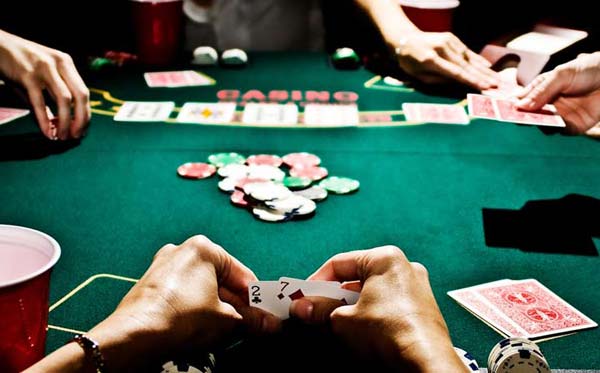
The allure of risk is deeply rooted in human nature. People are naturally drawn to activities that involve uncertainty and challenge, as these experiences can make life feel more vivid and engaging. In a casino setting, the flashing lights, the sound of coins clinking, and the collective excitement of fellow gamblers can heighten this attraction. Players often perceive gambling as an opportunity to break free from the monotony of daily life, adding a layer of excitement that is hard to resist.
This craving for thrill can sometimes cloud judgment. While many gamblers understand the odds and the reality of losing, the cognitive biases at play can skew their perception. Gamblers may fall victim to the illusion of control, believing that their skills can alter the outcome. This false sense of security further fuels their risk-taking behavior, leading them to wager more than they might have initially intended.
The Role of Luck vs. Skill
Understanding the dynamics of luck and skill in gambling is crucial to comprehending why players take risks. In games of chance, like slot machines and roulette, luck plays a predominant role. Players may believe that a lucky streak can turn the tide in their favor, leading them to place larger bets with the hope of capitalizing on serendipity. This reliance on luck can create a cycle of behavior where wins encourage further gambling, reinforcing the belief that luck will continue to shine.
On the other hand, skill-based games, such as poker or blackjack, introduce an element of strategy that some players find appealing. Skilled players often believe that their expertise and understanding of the game can influence outcomes. This belief can motivate them to take calculated risks, as they feel more in control of their fate. However, the line between skill and luck can become blurred, especially when outcomes are uncertain, prompting players to take risks they might otherwise avoid.
Interestingly, the interplay between luck and skill can affect the psychological experience of gambling. When players win through skill, they may feel a sense of accomplishment that reinforces their behavior. Conversely, losses can lead to frustration and a desire to recoup losses, often resulting in more risk-taking. Understanding this balance helps to illustrate the complex motives behind why players gamble and the inherent psychological conflicts they face.
The Emotional Highs and Lows of Gambling
The emotional rollercoaster that accompanies gambling is a significant factor influencing player behavior. Winning can elicit feelings of joy, excitement, and even euphoria, creating an emotional high that players often seek to replicate. These highs can be addictive, prompting players to return to the gambling environment in hopes of experiencing that rush again. The thrill of a near win can also be misleadingly pleasurable, keeping players engaged even when actual wins are scarce.
Conversely, the lows of gambling can lead to feelings of despair, regret, and anger. Losses can evoke intense emotions that may compel players to chase their losses, hoping to recover financially. This behavior can create a vicious cycle, as players may gamble more recklessly in an attempt to regain control over their finances or emotions. Such emotional dynamics highlight the dual-edged nature of gambling, where wins and losses significantly influence future risk-taking behavior.
Ultimately, the emotional highs and lows play a pivotal role in shaping a gambler’s experience and decision-making processes. Players who consistently seek out the thrill of winning may become desensitized to losses, continuing to gamble even when it is not in their best interest. Understanding the emotional landscape of gambling is essential for recognizing why individuals are drawn to take risks, often at the expense of their well-being.
The Social Aspect of Gambling
The social dimension of gambling can significantly impact why individuals take risks. For many players, casinos and gambling venues provide a sense of community and belonging. Engaging in gambling activities can offer opportunities for social interaction, whether through games with friends or in a lively casino atmosphere. This social element can create a positive reinforcement loop, encouraging risk-taking as players bond over shared experiences and celebrate wins together.
Moreover, peer influence can play a pivotal role in shaping gambling behavior. Individuals often look to others for cues on how to behave, especially in environments where risk is involved. If a player’s friends or peers are actively engaging in risk-taking, they may feel compelled to do the same to fit in or maintain social ties. This phenomenon can lead to increased gambling frequency and higher stakes, as players seek to align their actions with those around them.
The social aspect also contributes to the normalization of risk-taking within gambling circles. As individuals share stories of big wins and lucky streaks, it can create an illusion of accessibility to success. This portrayal can influence newcomers to partake in gambling, often underestimating the potential for loss. By understanding how social factors contribute to gambling behavior, we can better comprehend the risks that players are willing to take and the psychological motivations behind their choices.

Casino123.com: A Safe Haven for Gamblers
For those interested in exploring the world of gambling, Casino123.com provides a secure and engaging platform. With a diverse range of games, from slots to live dealer options, the site aims to cater to both seasoned players and newcomers. The emphasis on creating a comprehensive gaming experience is evident in the variety of choices available, ensuring that players can find a game that suits their preferences and skill levels.
Despite current technical difficulties, Casino123.com remains committed to delivering high-quality entertainment. The platform prioritizes user experience, offering informative resources to help players understand the games they are engaging in. By fostering a safe environment, Casino123.com allows players to enjoy the thrill of gambling without compromising their well-being.
Ultimately, understanding the psychology of gambling and the reasons why players take risks can enhance the experience for everyone involved. By recognizing the emotional, social, and cognitive factors at play, platforms like Casino123.com can provide tailored support and resources that promote responsible gambling practices. This ensures that the excitement of gaming remains enjoyable and within the bounds of safety for all players.